Since the 1980s, underdeveloped brains have increased tenfold. Not because children changed. Because the world they grow up in did — and the school system never noticed.
Rewild Your Mind
Reality School: Biotech Apprenticeships for Learners Who Think Differently
Students grow medicinal compounds, facilitate real healing, run a recovery café, support families through grief, and publish research that proves their minds and bodies are assets, not problems.
T H E C H A L L E N G E
Most schools treat kids as brains-in-chairs.
The Kiwi obsession with brain-centric standards is costing NZ$13 billion in lost human potential.
10
x
increase in developmental challenges
20
%
underserved neurodivergent Kiwi children
13
b
annual cost of declining Kiwi brain health
S C I E N C E T E L L S U S
You are not one brain.
You are trillions of living things, all talking to each other. School only ever taught one. We teach the rest.
R.School
Reality School teaches neurodivergent learners the complexity, beauty + wonder of life through biotech. Grow medicine, become scientists, impact change.
Days 2-28
Residency
A residential programme including grow-lab meals (urban mushroom farm), elder circles, no screens after dark, contrast therapy, quiet naps. Sleep/wakes synced to sun.
• Gut‑Led Nutrition
• Science You Can Eat
• Whānau Table
Day 30
Outcome
• Circadian Reset
• Science‑Led Recovery
• Return to Te Ao Mārama
T H E D I F F E R E N C E
Schools teach neck-up.
We start in the gut.
We replace cognitive-based learning with a systems-based model that adapts to human biology; shifting education from corporate efficiency to cultural and generational resilience.
Specialist Schools
They fill the tank
- Timetable: One fixed schedule
- Cohorts: Age/sex-based cohorts
- Method: Tutor-driven learning
- Goals: Teach-to-the-test
R.School
We fix the engine
- Timetable: Flexible timescales
- Cohorts: Chronotype-matched
- Method: Peer-based learning
- Goals: Brain-body resilience
Founder Statement
My students couldn’t sit still. We gave it fancy names and managed it. We never asked why. I started looking at the gut. Then sleep. Then daylight. The body had been trying to tell us something for years. So I built a school that knows how to listen.
Grant Munro
Founder at The Circadian Foundation
T H E E V I D E N C E
The Munro Gut Brain Index (MGBI) has been tested across 100,000 digital learners, with real‑world validation now underway.
Predictable
94%
learning readiness accuracy
Affordable
90%
accuracy from wearables alone
Reliable
83%+
works in the real world
R.School programmes offer  tiered live-in and live-out options
  that flex around lifestyle needs

Why we’re unique
Your data is yours.
We use soil, food, light, and community to rewild brains. And everything you learn, you own. Forever.

Jacob Morena
Who owns what we learn here?
Reality Bank
You do. It lives in the Reality Bank.
Jacob Morena
Forever?
Reality Bank
Forever.
Fungi Farm
Circadian Reset Lounge
AI Language Lab
Community Kitchen
Who we are
R.School is made possible by The Circadian Foundation
The Circadian Foundation
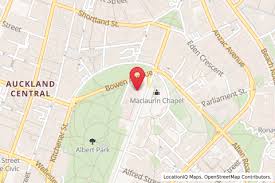
R.School is operated under The Circadian Foundation, a charitable trust founded by Grant Munro, with a public‑benefit mandate, Te Tiriti‑aligned data governance, and independent trustee oversight. All surplus is reinvested into research and community access. The Trust is securing a flagship site in Auckland’s learning precinct, returning a heritage building to civic use through a low‑cost pilot aligned with the precinct’s educational mission.
The school is free. Always. For those who want to go deeper, we offer three supported programmes.
Community
For kids or adults needing a quick lift. One week of morning rhythm clears fog, steadies sleep, and jump‑starts gut–brain balance.
Free
Plan Includes:
- Weekend workshop
- Grow‑lab breakfast
- Light‑therapy pod + nap
- Personalised plan
- Elder session
Live-In
30 Days
For those seeking 24-7 support
Call us
Plan Includes:
- Private ensuite
- Health screening
- Personalised meal plans
- Light therapy + naps
- Take‑home plan
- Elder circles
Live-Out
For those seeking day programmes
Call us
Plan Includes:
- Private locker
- Health screening
- Personalised meal plans
- Light therapy + naps
- Take‑home plan
- Elder circles